R.O.A.R.
T-Rex Talker V3, the Head To Head Rubber Chicken Challenge, and the open hardware behind it all. Come build with us in San Mateo.
Read the full story →Open Source Assistive Devices and Possibly Inspirational Stories.
A new chapter for TSSFAA
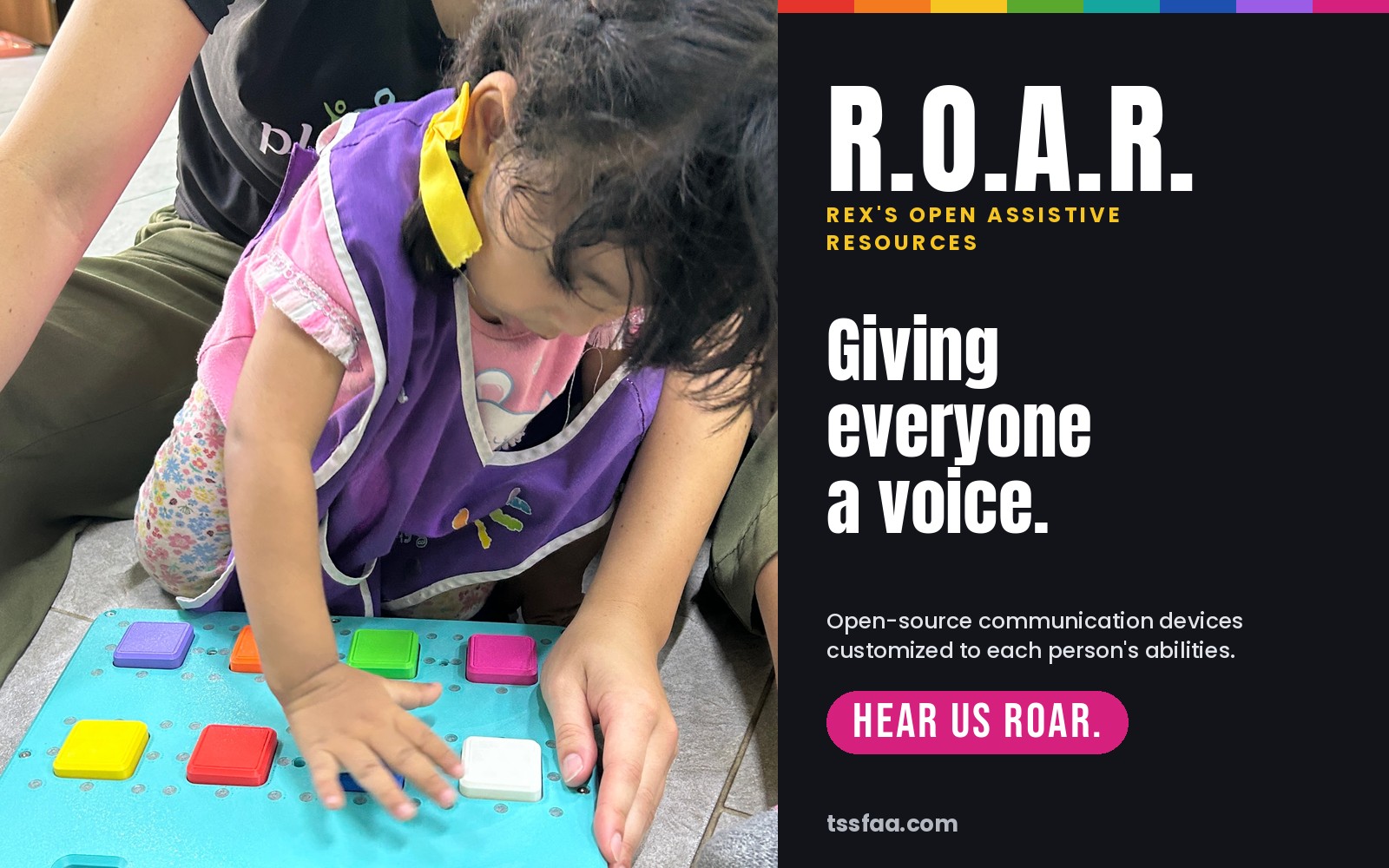
Hear us R.O.A.R. — Giving everyone a voice.
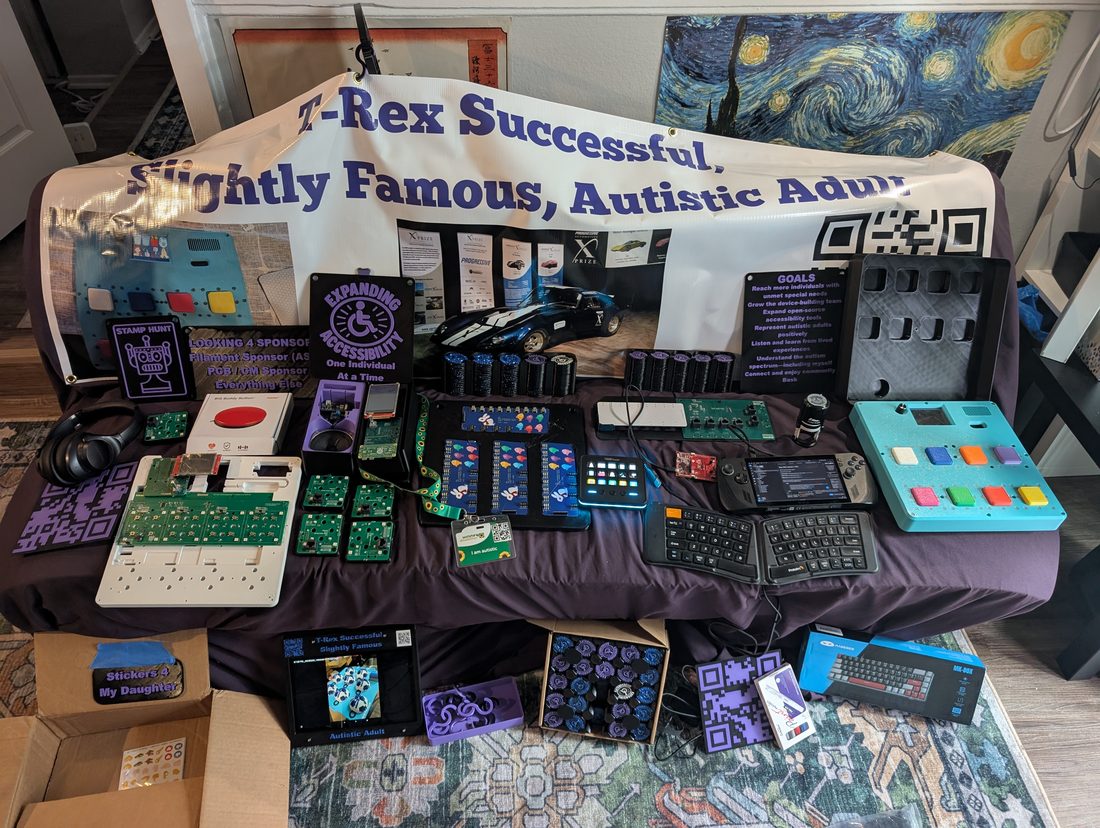
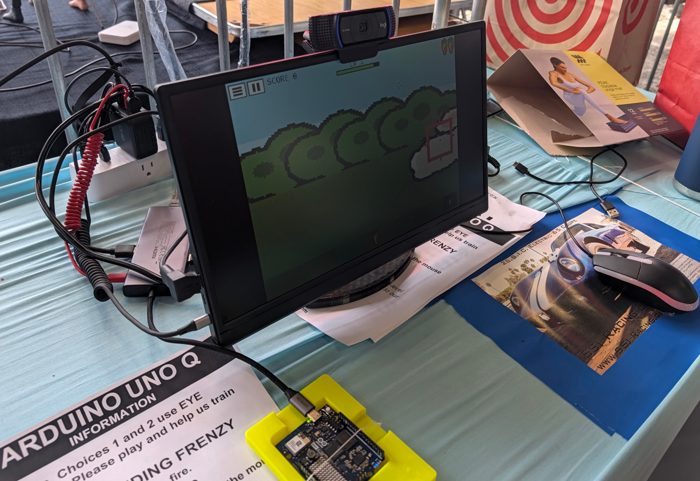
Rex’s Open Assistive Resources. We build open-source AAC communication devices that adapt to each user’s abilities — buttons, touch screens, sip-and-puff, and soon eye tracking. It’s all open source. Come build with us.
I’ve said the exact same thing myself, and it was true at the time. But if someone hadn’t convinced me to take the help, then no one would have been helped. You can help the person in front of you easily — but you can’t help the person you never meet, no matter how great their need.
So tell me what you think you need, so I can build you one now. Here’s the thing: the people with the greatest need are exactly the ones who can’t tell us what they need. They can’t describe what would help or what gets in their way. You can. Everything you tell me — what you’d use, what gets in the way, what’s awkward, what doesn’t work yet — shapes what gets built next and makes the device better and more reliable for the people who will never be able to ask for those things themselves.
By accepting one, you’re not taking it from them. You’re helping me build it for them.
— T-Rex
Formerly known as selective mutism.
Tell me what you need — what would help, what’s missing from what’s out there, what your day looks like — and we’ll build a better device together. From prototype to “production” your thoughts and ideas matter and will make a better device for those people whose thoughts and ideas I can not receive yet.
News, work in progress, and the longer-form thinking behind it.
Fully compatible with all hardware from Version 2.0 onwards. We’ve also introduced two no-soldering build options — all you need are two specific parts from Amazon and a 3D printer to get started.
I’m in Chiang Mai in part to discuss the possibility of doing my PhD work at Chiang Mai University. Right now it isn’t PhD work yet — so I wrote a document about how it becomes PhD work and why that is important.
I started with a passionate document and then iterated with Gemini for an academic version.
Feedback is appreciated — thank you.
A quick look at what we do and why.
Personal note, what’s shipping, what’s next.
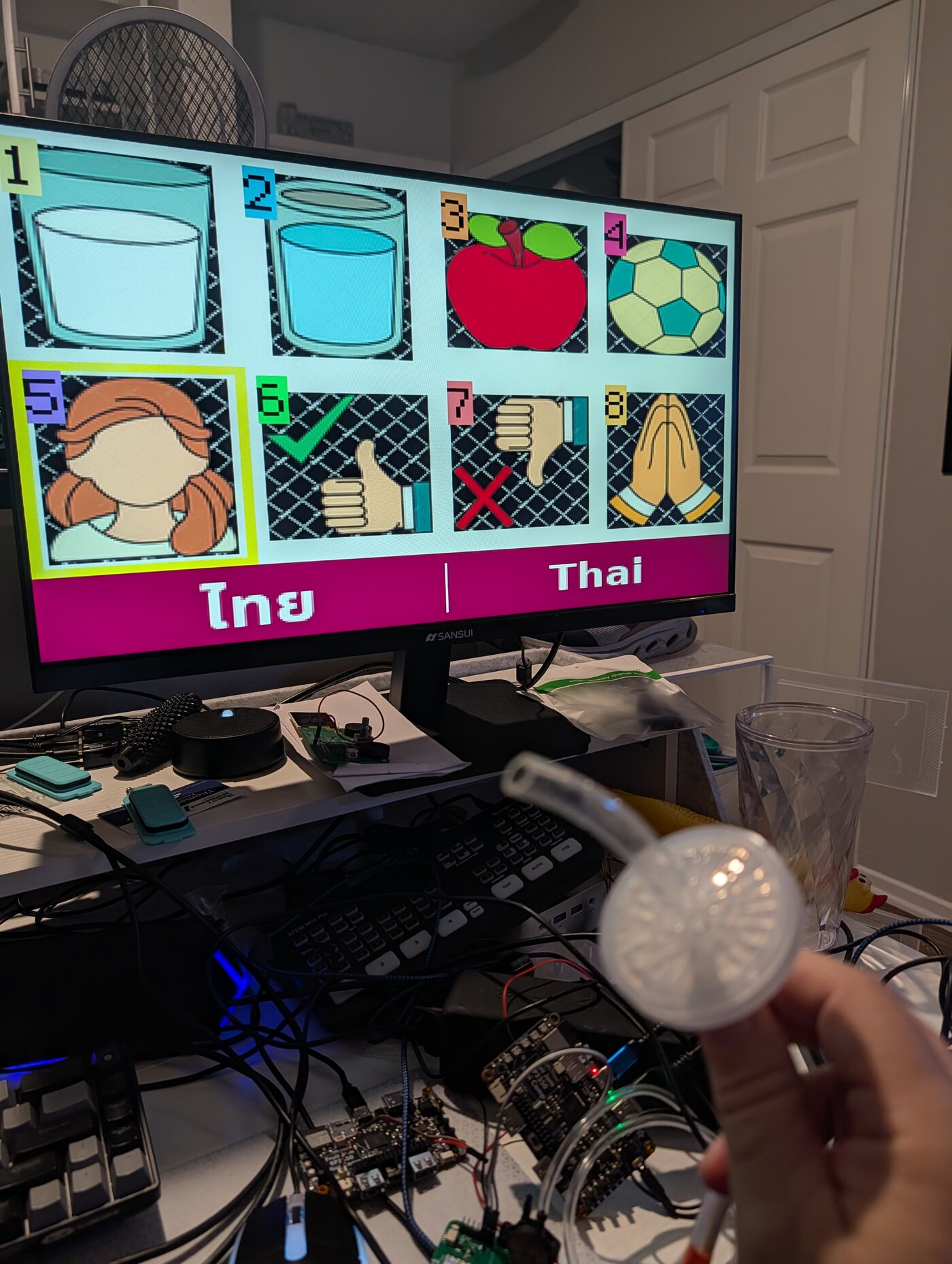
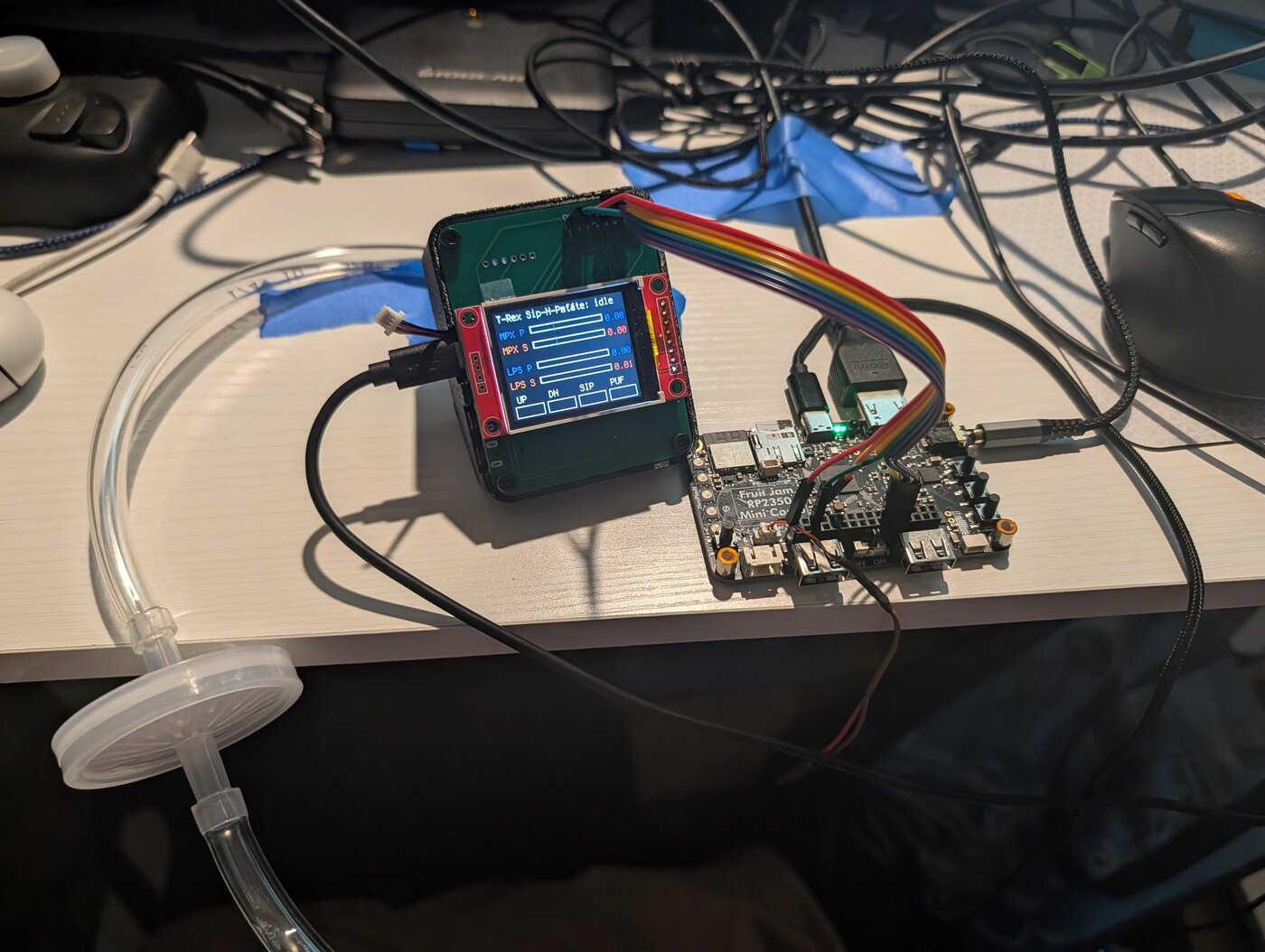
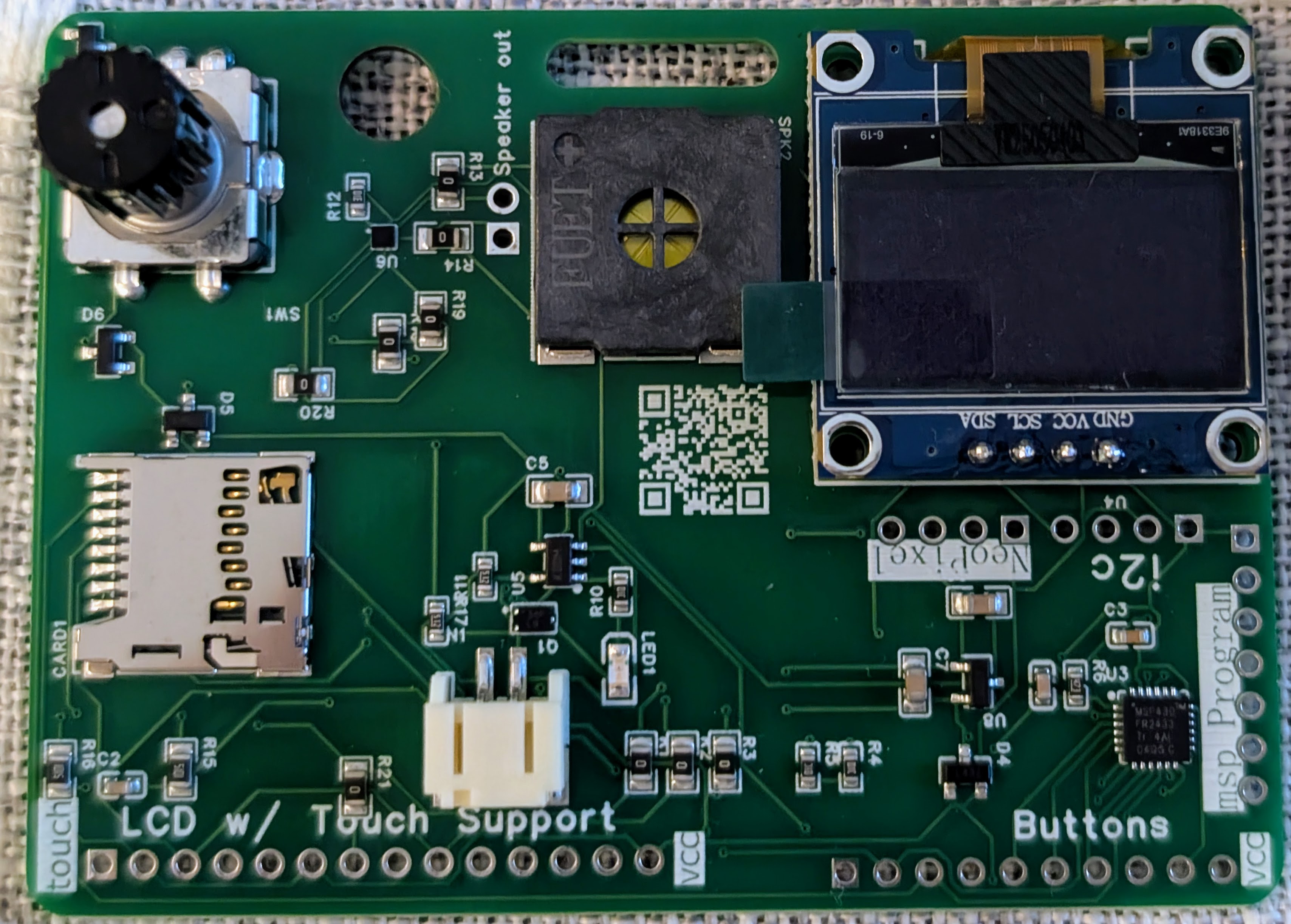
Testing speakers, motors, screens for next version.
I want to apologize for dropping out for a bit. I had some disruptions that were not inherently bad, but I don’t like change. Specifically, I had some emergency dental surgery and changes to my living arrangements that took up a lot of my time and energy.
I am going to try and start making more videos with a goal of 2 a month, but I won’t be committing to a set schedule. I’ve got a lot of things to talk about and share, from lessons of being an autistic adult to building special needs devices.
I have a bunch of little projects I’ve built that I need to release as open source:
I am actively building 30 devices to be given away to autistic children for stim / education purposes as part of a charity drive.
I am also looking for test groups for the next version of my AAC devices:
Regarding the next versions of my devices, I currently have 3 of 4 PCBs that I need designed. My plan is to send all of them off for production in the next month.
I do have a full-time job that thankfully allows me to do all this traveling and not only pays my bills but leaves me with enough left over to fund these projects. I have gotten some initial sponsorships and hope to expand those relationships to be able to build more devices for people in need.
I am currently looking for:
If you are interested in sponsoring future events or device builds, please contact me through my channel.
Getting ready for the next version / production prototype. Feedback would be appreciated.
In no particular order.
From first associations to mission-critical mobility.
Apparently she loves it — the button vibration and neo-pixel lights are fun. We will see how she progresses with this device and are standing by ready to update as needed.
The device is currently configured as a basic-needs communication device, but first she needs to develop some associations. It is easily updated in Python through USB port and/or microSD card.
Expanding accessibility, one individual at a time.
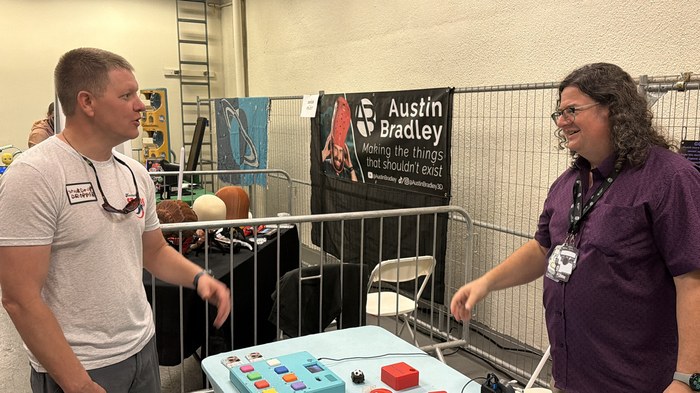
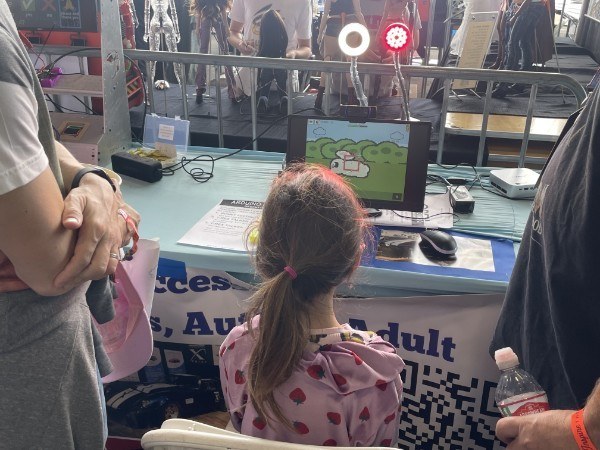
The mission is to expand accessibility, collaborate with like-minded innovators, and grow open-source resources for special needs technology. Whether you’re a potential collaborator, someone seeking support, or just curious — stop by to learn, connect, and explore how we can build solutions together.
Shout out to HandtoHand Pattaya for doing wonderful work and getting me motivated to start building special needs devices now, instead of waiting.
Where we’ve been.
Minimum full assistive communication device.
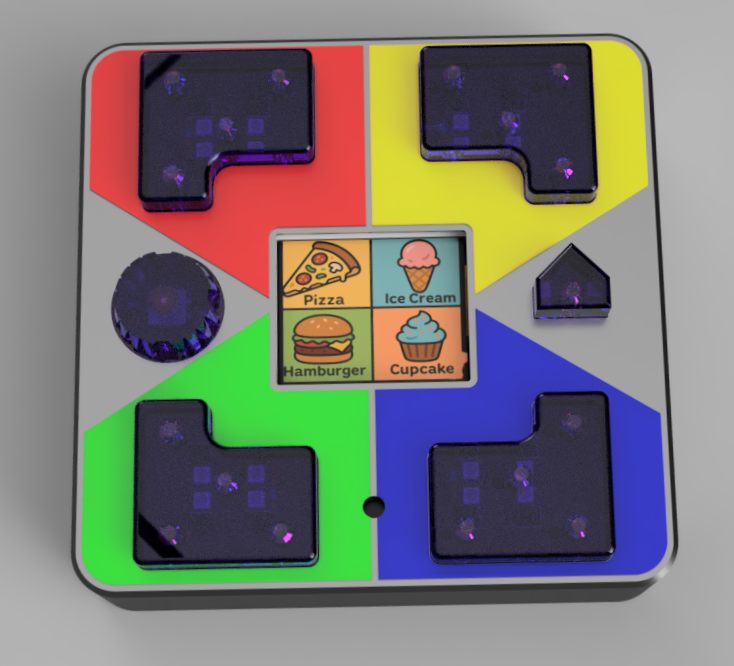
MacD is more than a sketch. We have working prototypes in hand, and the lessons from those builds fed directly into the Version 3 hardware we’re actively working on now. What started as the minimum full assistive communication device has become the foundation of our next-generation T-Rex Talker.
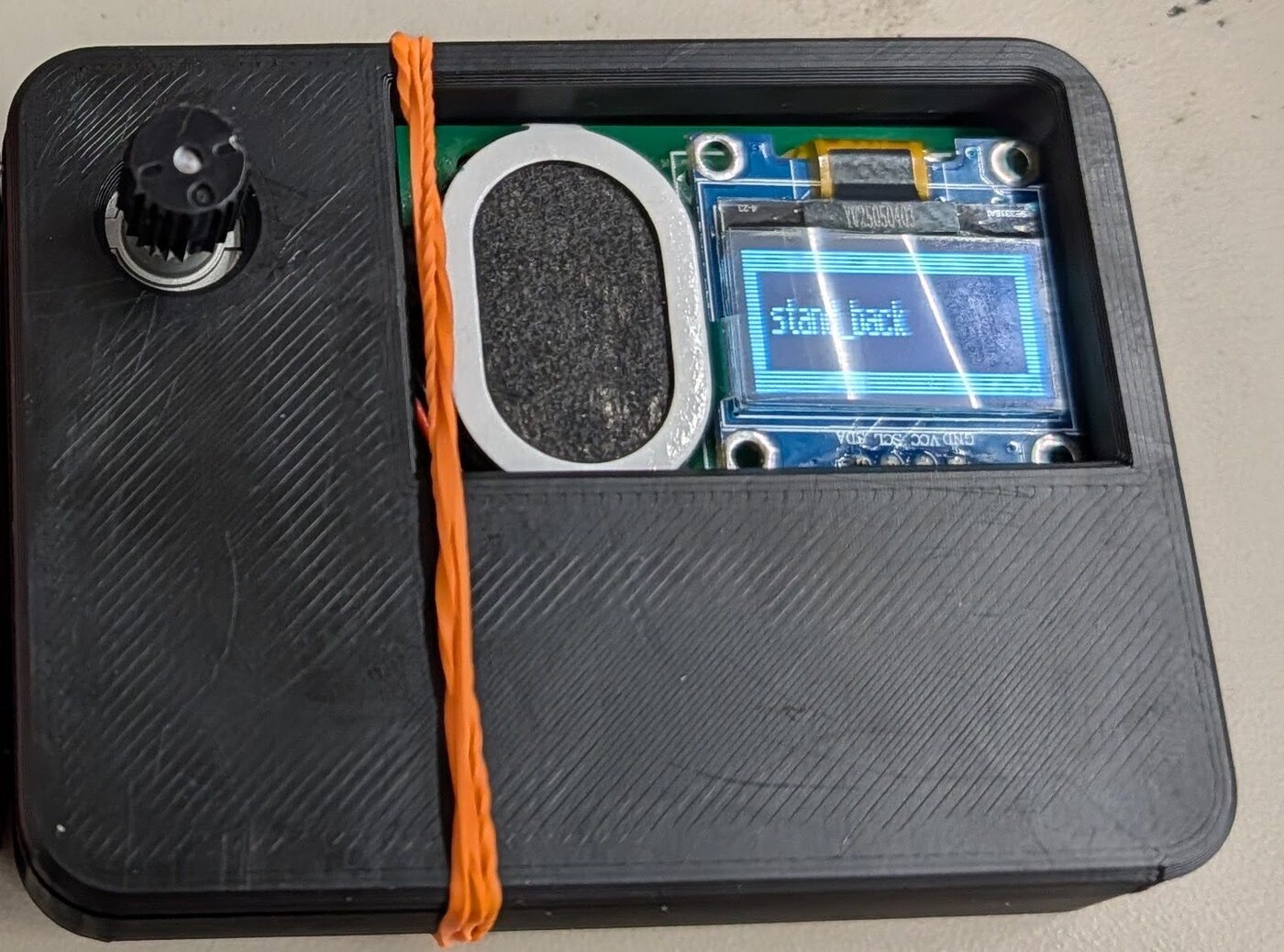
The device measures 80mm (3 inches) square and features large 12mm buttons, a compact (likely monochrome) screen, an audio amplifier, and support for a rechargeable battery. Designed to work with the Raspberry Pi Pico 2, also compatible with the original Pico. Includes connectors for integration into a larger system.
Ideal for developers as a development board or as a compact emergency lanyard device.
At quantities of 25, the PCB with components and battery is estimated at $25 USD per unit (not including potential tariffs).
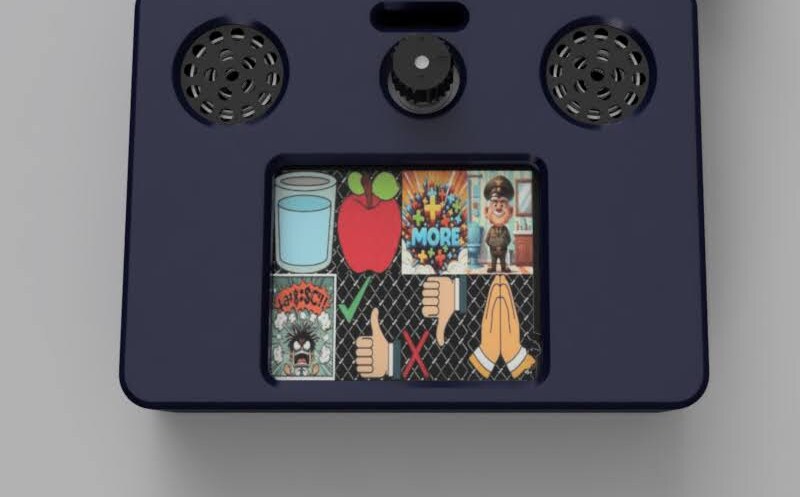
For a few dollars more, a larger color screen could be used. Would require additional space and possibly some redesign.
I have some coupons available and I’m considering using them to build this board — unless another project takes priority.
Square with large buttons, or smaller with rotary encoder? Rotary encoder can just be smacked for a distress message...
We just began work on our next device for an adult that recently suffered from a brain aneurysm, is non-verbal, and has limited fine-motor control in one arm. It is a variation of the previous device with a priority of getting something to them quickly and making adjustments as more information is available. We’ll try to take some video of the creation process, but that is low priority — we’ll see what happens.
Where the parts — and the goodwill — come from.
Support the project — every dollar goes into parts, devices, and travel. Donations are processed by our partner American Legion Post 468 (Julian, CA). We thank them for helping with something that we are bad at.
Whether you can use a device, build one, fund one, or just want to talk — reach out.